

Latest Version
German Aerospace Center and contributors
Education
Linux
Free
org.eclipse.sumo
Report a Problem
More About SUMO
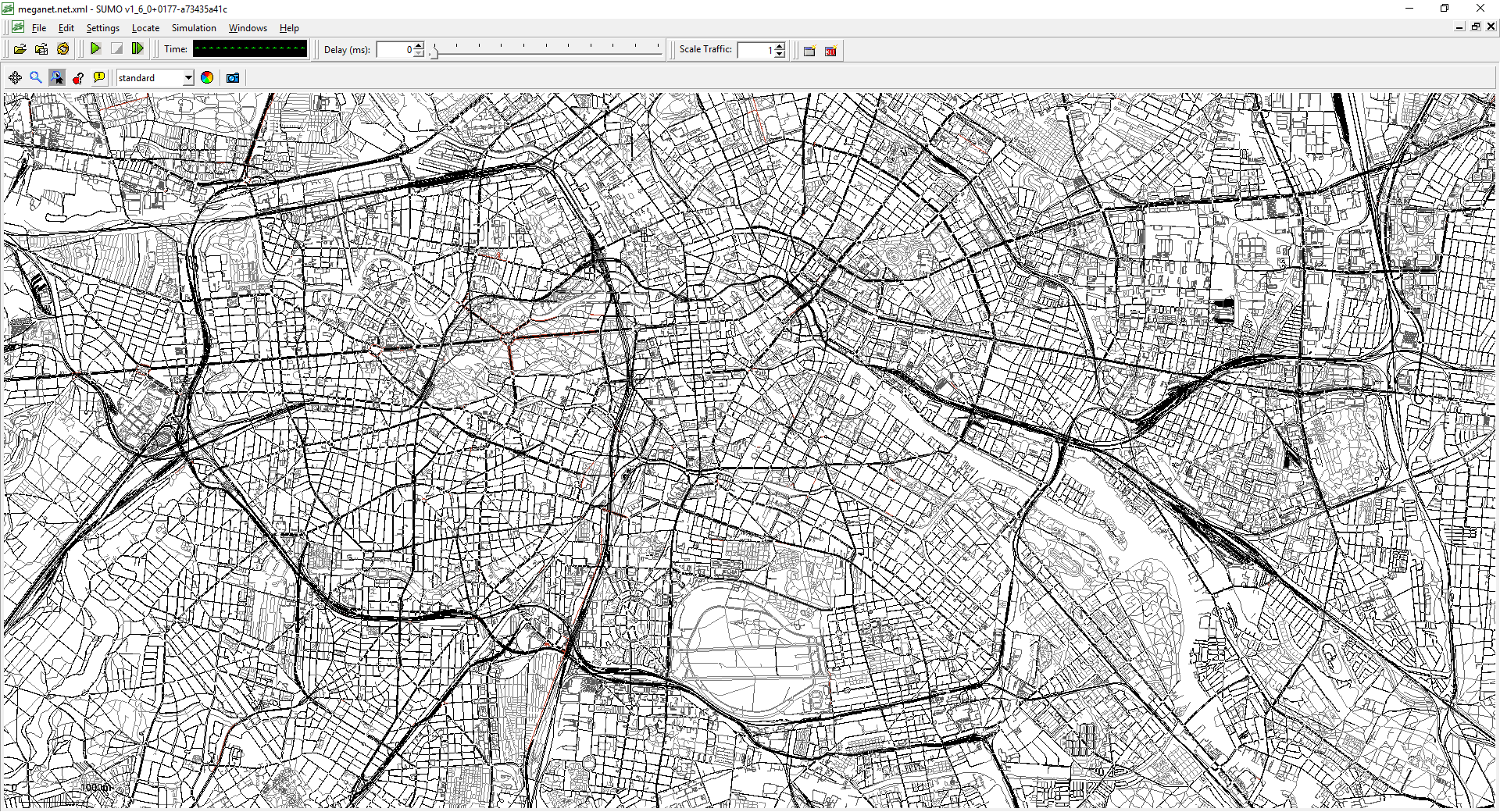
The SUMO microscopic traffic simulation suite stands as one of the most robust, open-source solutions for modeling complex, multi-modal transportation networks on Linux. Developed by the German Aerospace Center and a dedicated community of contributors, this highly capable platform allows researchers, urban planners, and developers to simulate how diverse transit elements interact within a single, unified environment.
Unpacking the Power of SUMO Microscopic Traffic Simulation
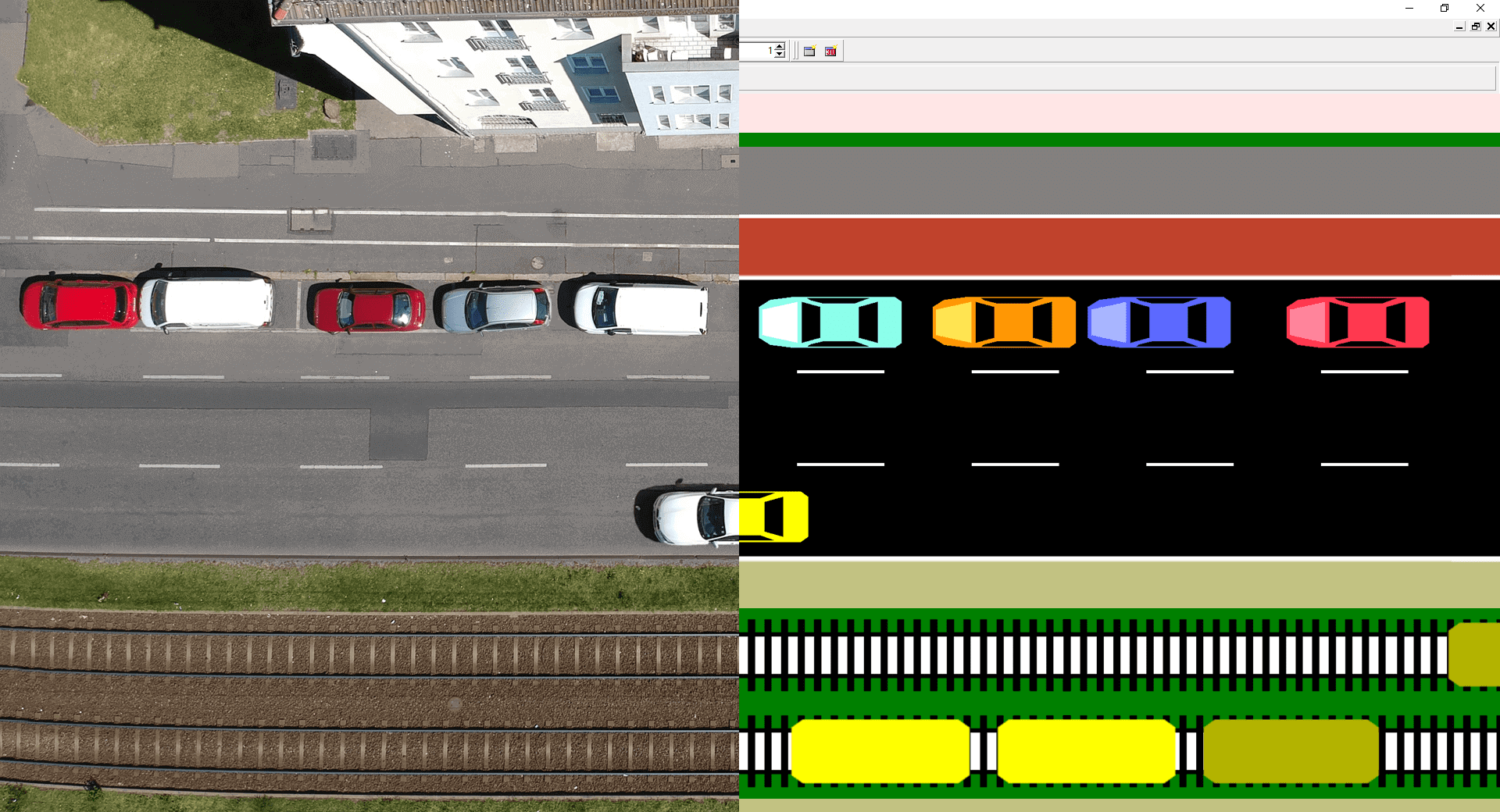
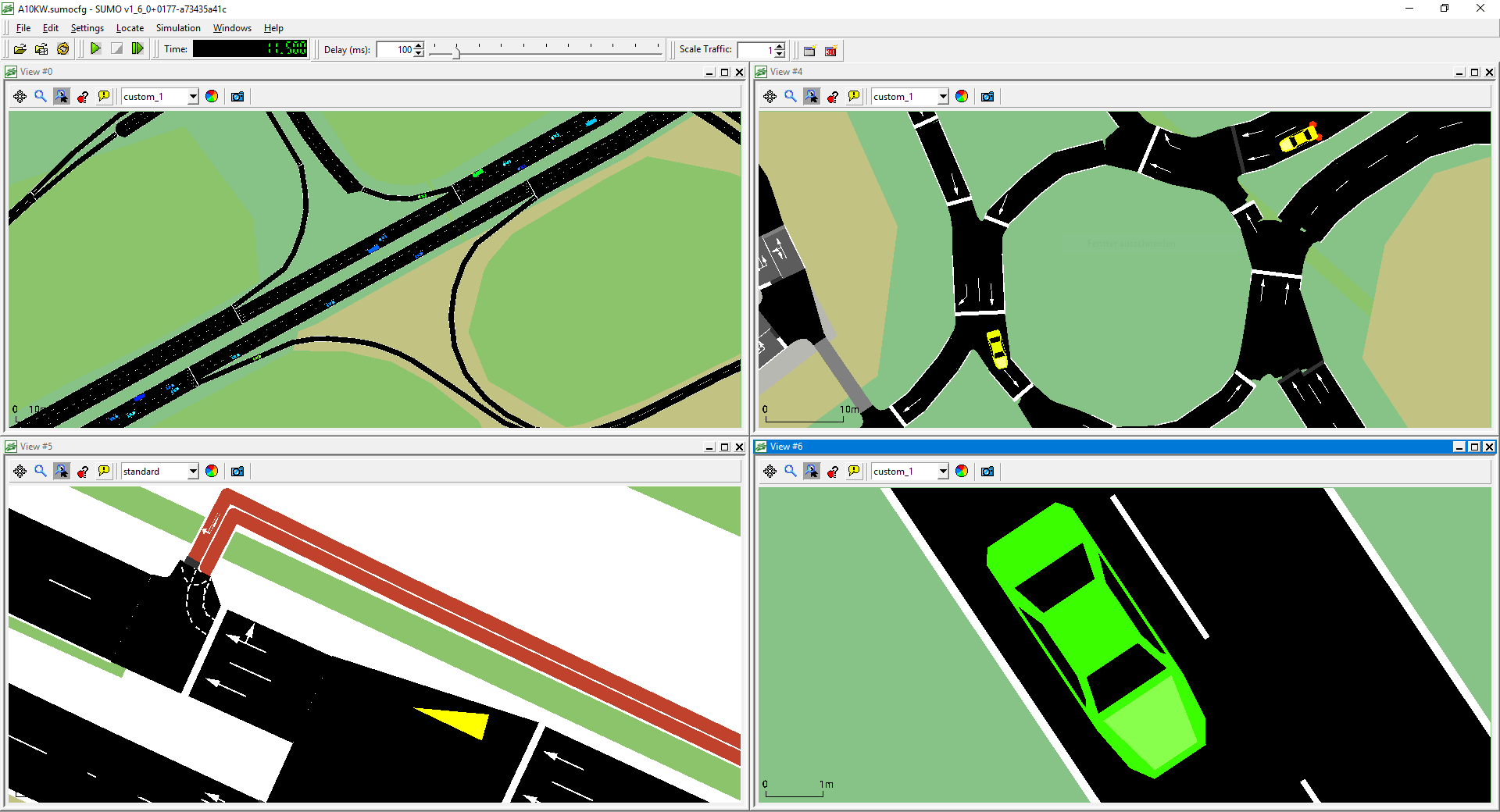
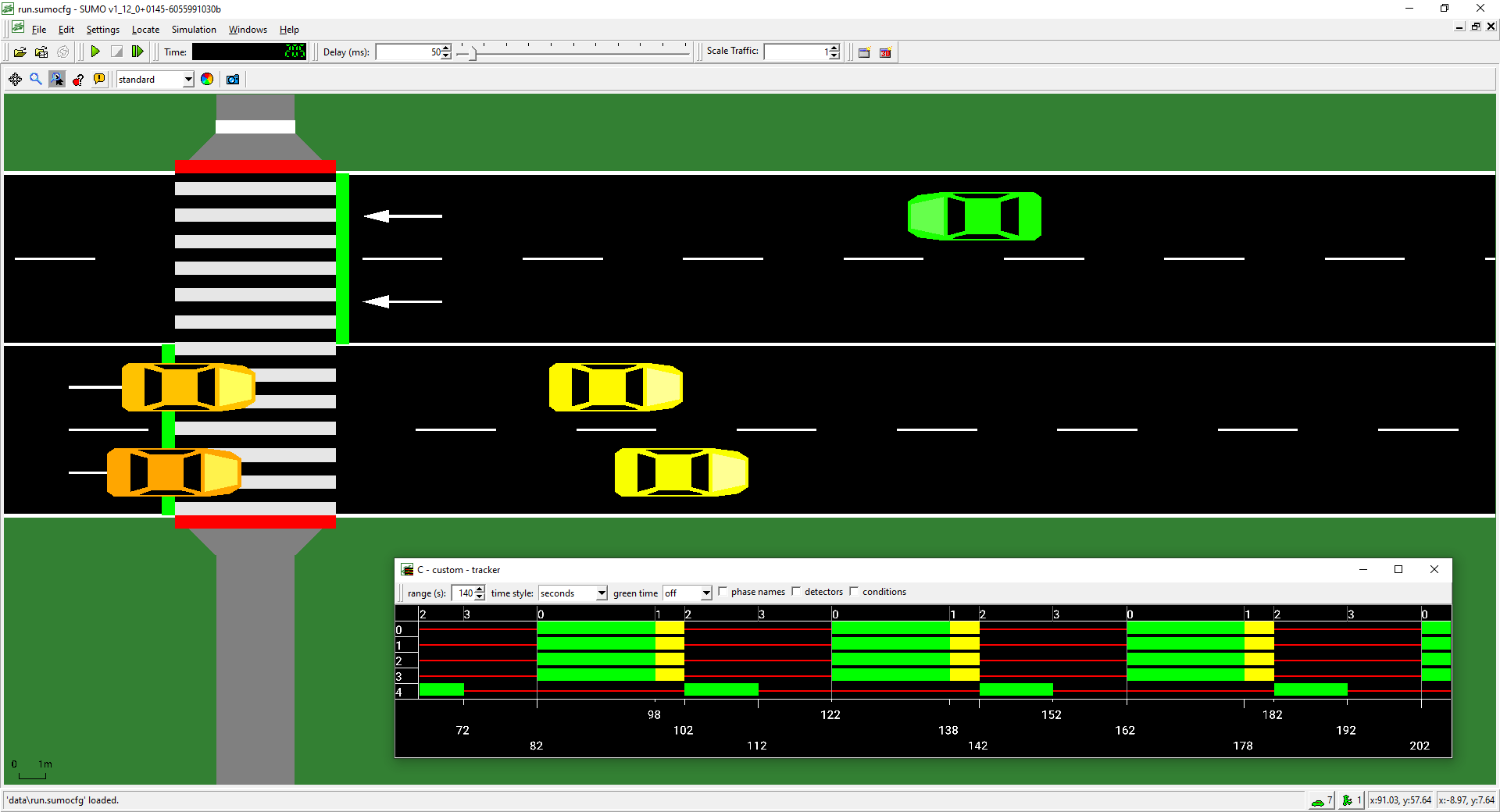
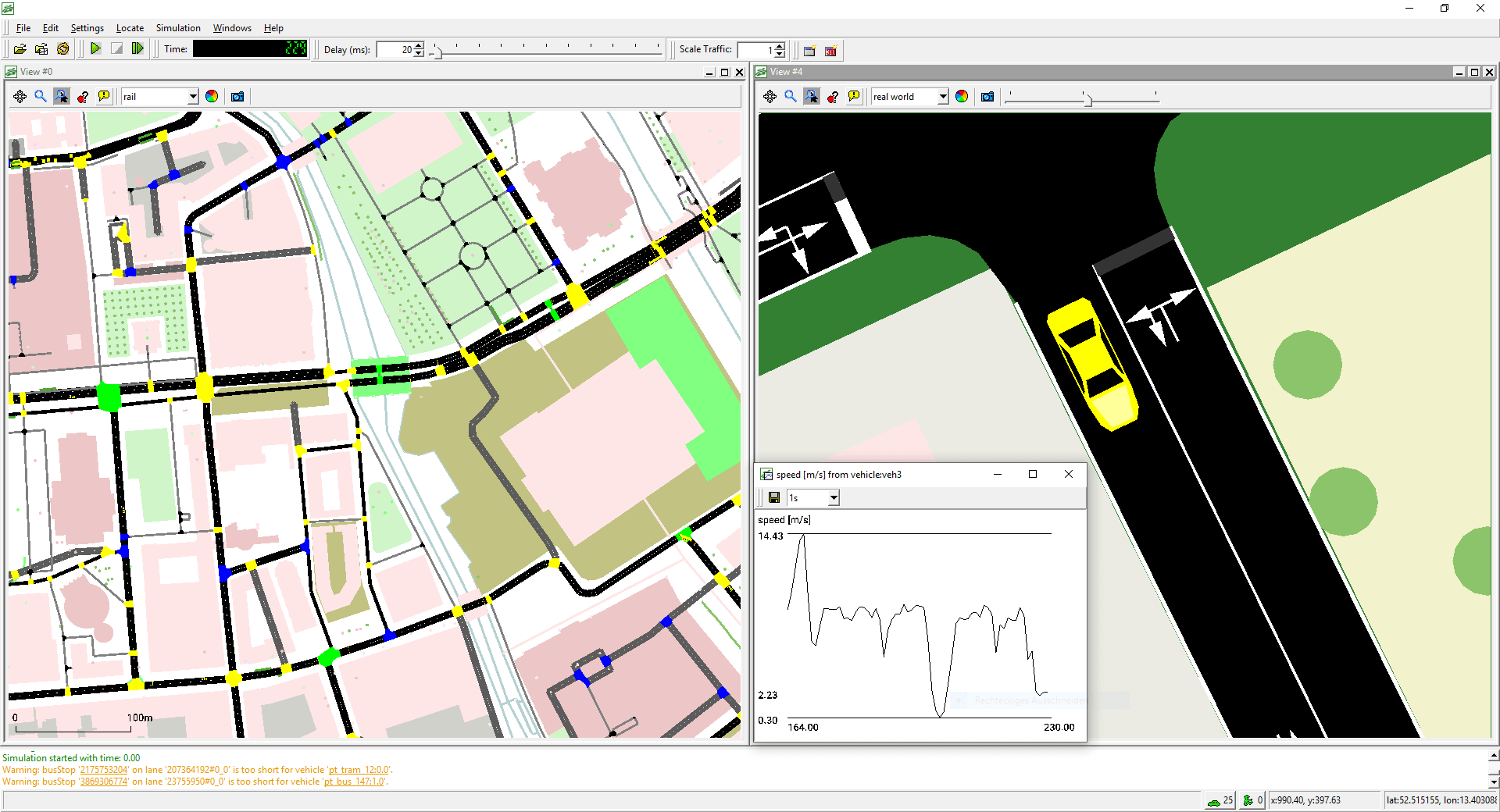
Unlike macro-level modeling tools that treat traffic as a uniform flow, SUMO models every agent individually. This microscopic precision means you can observe and analyze the specific behaviors of single vehicles, public transit systems, and even pedestrians as they navigate complex urban grids. By simulating these individual interactions, users gain highly accurate insights into real-world traffic bottlenecks and safety considerations.
Core Modeling Capabilities
- Intermodal Traffic Flow: Seamlessly simulate the interactions between passenger cars, heavy freight, public transport buses, and pedestrian traffic.
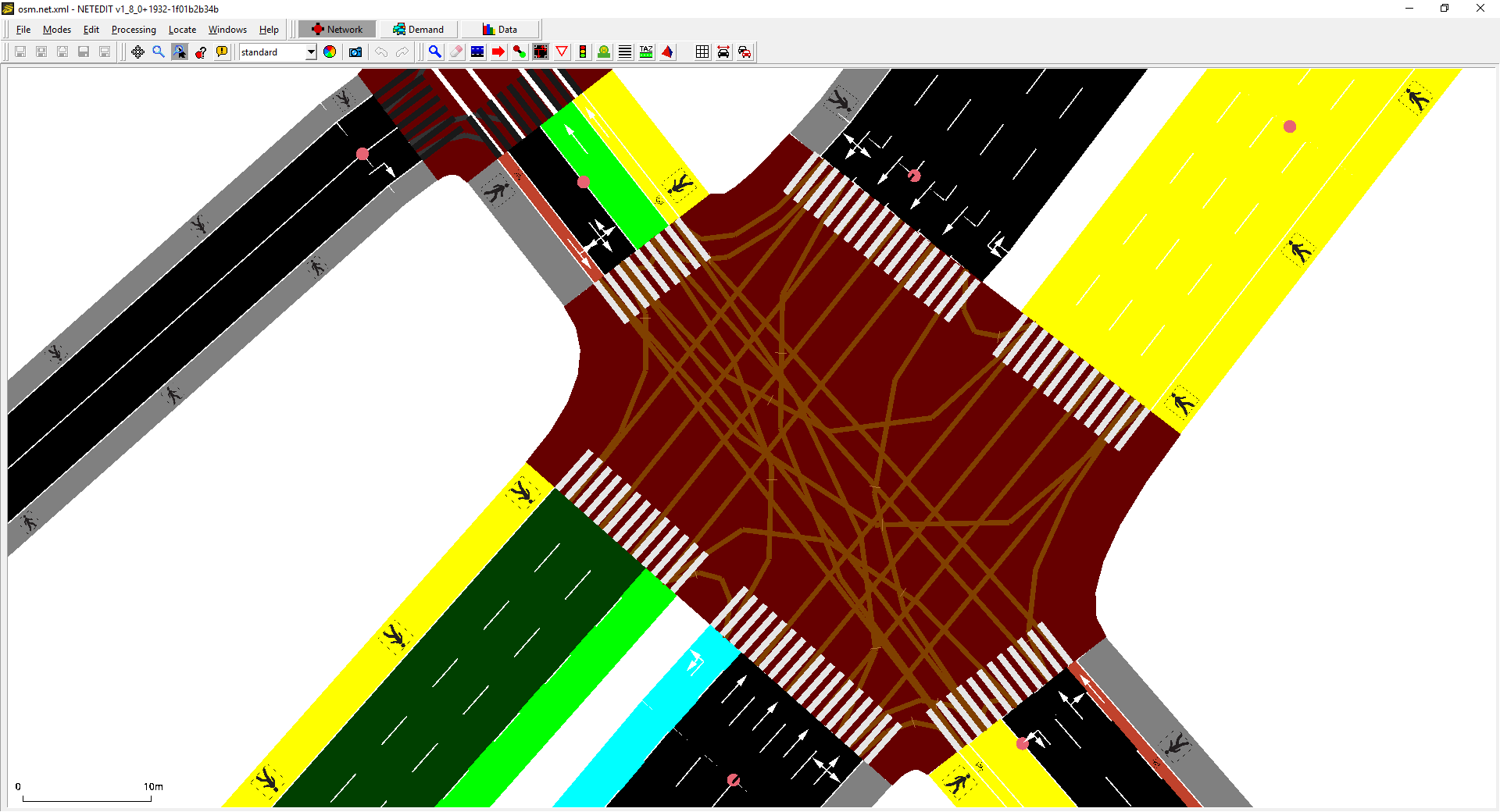
- Comprehensive Toolset: The suite comes equipped with critical auxiliary tools designed for route finding, network import, and detailed visualization of your simulation runs.
- Environmental Impact Analysis: Built-in calculators allow users to estimate emission outputs based on vehicle behavior and traffic congestion.
Extensibility and Remote Control APIs
One of the primary reasons the SUMO microscopic traffic simulation is favored in academic and corporate research is its open architecture. The platform can be enhanced with custom-designed models to simulate novel vehicle behaviors or futuristic transit scenarios. Furthermore, its robust APIs allow developers to remotely control and manipulate the active simulation in real time, making it an excellent testbed for adaptive traffic signal algorithms and autonomous vehicle routing.
Who is This Simulation Suite For?
As an educational and research-focused tool, SUMO is ideal for academic researchers studying urban logistics, civil engineers designing traffic management systems, and software developers building smart-city applications. Its steep learning curve is rewarded by unmatched flexibility and deep analytical output.
Explore the Software Further
If you are looking to build detailed, data-driven models of complex transit networks on Linux, this simulation suite offers an unparalleled feature set. To learn more about this project, view documentation, or access the code, visit the official store page on Flathub.
Rate the App
User Reviews















Popular Apps










Editor's Choice